PRAG Update — PPAI Product Responsibility Action Group
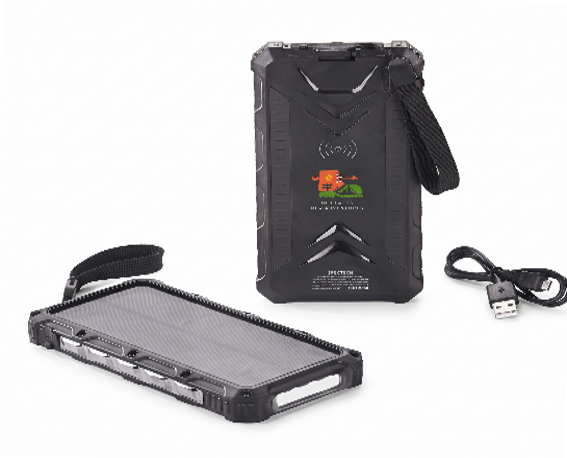
We're highlighting a small subset of recalls and NOVs that have application to the promotional products industry. Readers should note that this is not a complete list of recent CPSC recalls or recent Prop 65 NOVs. For example, there are several recalls for children's sleepwear. That's not a common category in the promotional industry but might apply to some. Same with Prop 65 NOVs. The definitive list is available at CPSC.gov and from the California AG website respectively. There is one power bank recall this month. There are numerous FDA food recalls each month. I have picked out a few that might apply to distributors or suppliers who deal with these products but again, the definitive source is the FDA website.
eFiling Now Live
WASHINGTON, D.C. – The U.S. Consumer Product Safety Commission (CPSC) announced that the Commission’s eFiling program is now in effect, requiring importers of regulated consumer products to submit compliance certificates electronically before products enter U.S. commerce.
The eFiling program enables CPSC to identify and target high-risk imported products more efficiently while reducing unnecessary inspections and delays for compliant importers. By allowing the agency to focus enforcement resources where they are most needed, eFiling helps keep unsafe products out of the U.S. marketplace while facilitating legitimate trade. Click the link below for more details.
CPSC Relocating to Washington, D.C.
WASHINGTON, D.C. – The U.S. Consumer Product Safety Commission (CPSC) today announced plans to relocate its headquarters to the historic Government Accountability Office (GAO) Building at 441 G Street NW in Washington, D.C., with the transition expected to be completed in early October 2026.
The relocation will significantly improve space utilization and transition the agency from privately leased office space to an existing government-owned facility. The move also avoids costly investments that would otherwise be required at the agency’s current location and supports broader Administration efforts to reduce the federal government's leased real estate footprint.
“This relocation sets CPSC up for long-term success while demonstrating our responsible stewardship of taxpayer dollars,” said Acting Chairman Peter A. Feldman. “By transitioning from privately leased office space to an existing government-owned facility, we’re reducing costs, making better use of federal assets, and creating a modern headquarters that better supports our critical safety mission.”
New CPSC Commissioner Nominated
The White House has nominated Brien Lorenze — CPSC's own Executive Director — to a Commissioner seat for a seven-year term, filling the vacancy left by Commissioner Doug Dziak's departure. Acting Chairman Peter Feldman praised Lorenze's "policy expertise, operational acumen, and sound judgment" in the agency's own statement on the nomination.
Crowell & Moring: Brien Lorenze Nominated Commissioner of CPSC · CPSC's statement on the nomination
Prop 65: Ceramics & Glassware Wave
For California's Prop 65, this was a heavy month of 60-day notices (NOVs) for decorated ceramics and glassware — TJX (Marshalls/HomeGoods), Burlington, and Walgreens all drew fresh notices for lead/cadmium in mugs, plates, and jars with printed designs, alongside a notice against a Target-sold Owala water bottle. Housewares/Tools (14) and Drinkware (13) together account for more than half of this issue's 47 notices.
For those new to Prop 65: when a citizen enforcer decides to sue a company they believe is putting Californians at risk of cancer or reproductive harm, they're required to first send the California AG a 60-day "Notice of Violation" (NOV) — giving the AG the opportunity to take over the case if it's serious enough to warrant it. In the vast majority of cases, the state AG does not take the case, and it progresses to a lawsuit between the citizen enforcer and the company or companies being sued. NOVs can often serve as an advance warning of the kinds of products and chemicals being targeted.
Promo distributors and suppliers should use a third-party lab like QIMA to test for lead, cadmium, and phthalates in products shipping to CA — it's much less expensive than settling with a bounty hunter for thousands of dollars.
Legal Watch
In Legal Watch: CPSC's new eFiling requirement is now imminent (Husch Blackwell), the first consolidated round of state EPR reporting is producing real lessons learned (Holland & Knight), and Connecticut's PFAS reporting form — flagged here last issue — now has a companion label-reciprocity rule with New Mexico (Bergeson & Campbell).
Testing Lab & Law-Firm Coverage Expands
PFAS is the dominant thread across both testing labs and law firms: Bureau Veritas flagged Rhode Island's and Minnesota's PFAS-in-products amendments, and a bipartisan federal bill to ban PFAS in food packaging cleared a step (Food Safety Magazine). Beveridge & Diamond noted Connecticut's PFAS consumer-product reporting and labeling requirements are now in effect.
On micromobility, Crowell & Moring covered CPSC's proposed rule on e-bike/e-scooter lithium-ion battery safety. For any suppliers handling lithium-ion products — especially larger-mAh power banks — it's worth staying abreast of UL's testing protocol for these batteries and CPSC's guidance. Testing is already mandatory for micromobility devices in New York City, and for good reason: there have been multiple tragic fires tied to hoverboards and e-bikes.
On EPR, law firm Troutman Pepper Locke covered a multistate coalition's legal challenge to California's packaging EPR law.
From the carbon accounting firm Carbonfact, an interesting piece on calculating the carbon footprint of cotton.
Also new this issue: a CPSC recall of Flaunt MagSafe battery chargers for fire and burn risk.
We've also found some valuable insights we're sharing in the Lab Insights section: QIMA's guides on REACH compliance for EU importers, Mexico's 2026 customs law, and supplier diversification amid the Hormuz Strait disruption, plus SGS's global rundown on PFAS regulation.
Here's a valuable article from Crowell & Moring in May — excellent advice for promotional product suppliers and distributors who get word of a consumer incident or injury involving one of their products. Customer service teams should be appropriately trained, and issues should be escalated to a manager knowledgeable in the guidelines Crowell discusses: Is Your Company Prepared? A Checklist for Responding to Consumer Safety Complaints.
Introducing: Monthly Classroom
Starting with this issue, we're launching a new feature: Monthly Classroom. Each month we'll highlight an interesting tutorial from the world of product safety, regulatory compliance, quality management systems, environmental stewardship, or supply chain security — practical, explainer-style content rather than a regulatory development to track.
This month's pick: Carbonfact's explainer on calculating the carbon footprint of cotton.
Two New Sections: Quality Management & Social Responsibility
We're also launching two more standing sections this issue. Quality Management covers practical QMS/quality-control content — this issue: Insight Quality Services on why a passing first-order inspection at a new factory isn't the whole story. Social Responsibility covers ESG, human rights, and due-diligence frameworks — this issue: QIMA's look at 50 years of OECD Responsible Business Conduct and 15 years of the UN Guiding Principles.
Upcoming Seminar
The Society of Product Safety Professionals is hosting a seminar on "Selling Product Safety to the C-Suite". Use the link below to register.
▾Recalls20



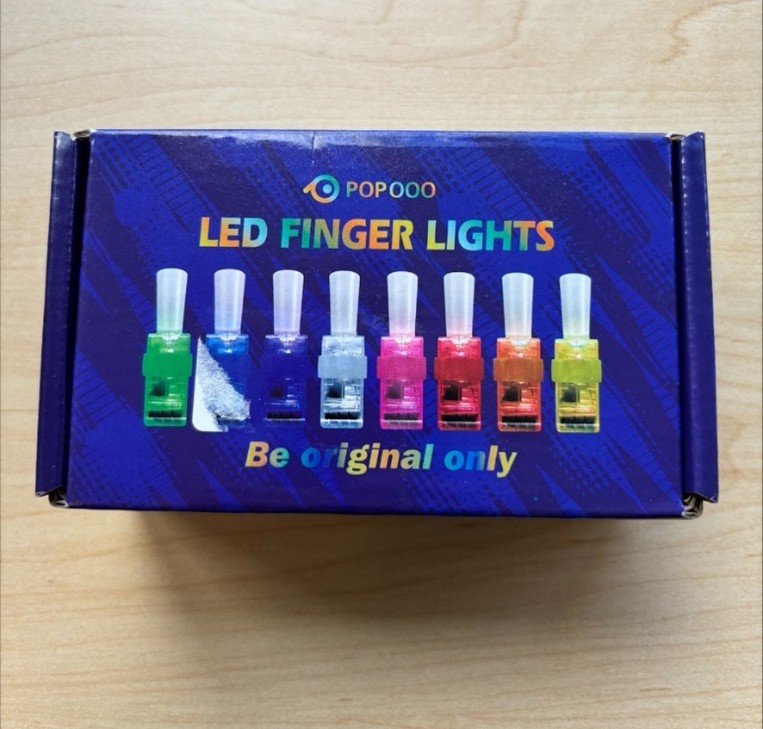
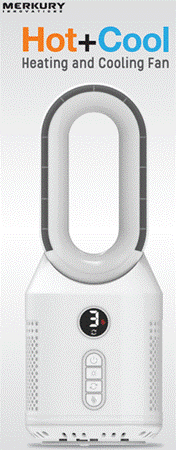

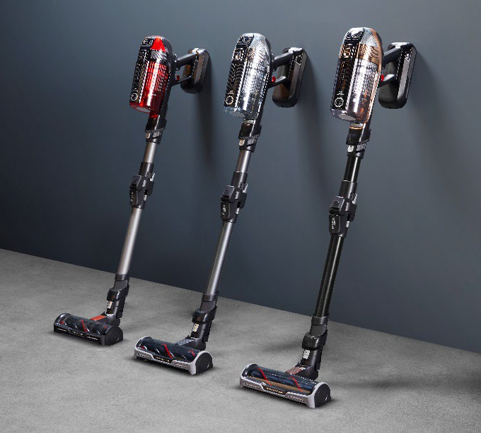
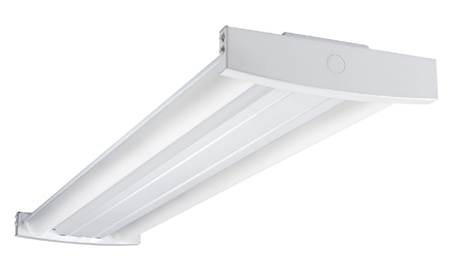


▾Prop 65 — 60-Day Notices47
▾Legal Watch9
▾Lab Insights11
▾Monthly Classroom1
The Carbon Footprint of Cotton
▾Quality Management1
▾Social Responsibility1
Data attribution: state bill data & synopses via LegiScan (CC BY 4.0) and OpenStates; federal via congress.gov / GovTrack; EU via EUR-Lex.
Prepared by Product Safety Advisors · PRAG Free · Build 20260708